For over a century, Montessori educators have trusted that children learn best when they’re given freedom, respect, and a prepared environment to explore. Now, one of the largest and most rigorous studies ever conducted on early childhood education has confirmed it with hard data.
A new study published in the Proceedings of the National Academy of Sciences (PNAS), led by University of Virginia psychologist Dr. Angeline Lillard in partnership with the American Institutes for Research, followed 588 children from age three through the end of kindergarten. These children had all applied to one of 24 public Montessori schools across nine states and the District of Columbia, and were admitted (or not) through random lottery, the same kind of process used in medical trials to fairly test cause and effect.
What the Researchers Found
Because admission was decided by lottery rather than by parent choice or income, researchers could make a genuine before-and-after comparison: children who won a Montessori seat versus children who didn’t. By the end of kindergarten, the children who attended Montessori showed significantly stronger outcomes in:
- Reading
- Short-term memory
- Executive function (skills like planning, attention, self-regulation, and problem-solving)
- Social understanding
Math outcomes trended positively as well. And notably, this study didn’t just test a handful of schools. It’s the first nationwide, randomized study of public Montessori preschool ever conducted, drawing from schools in Colorado, Connecticut, Maryland, New York, Tennessee, Texas, Wisconsin, Virginia, and Washington, D.C.
Why This Matters to Our Community
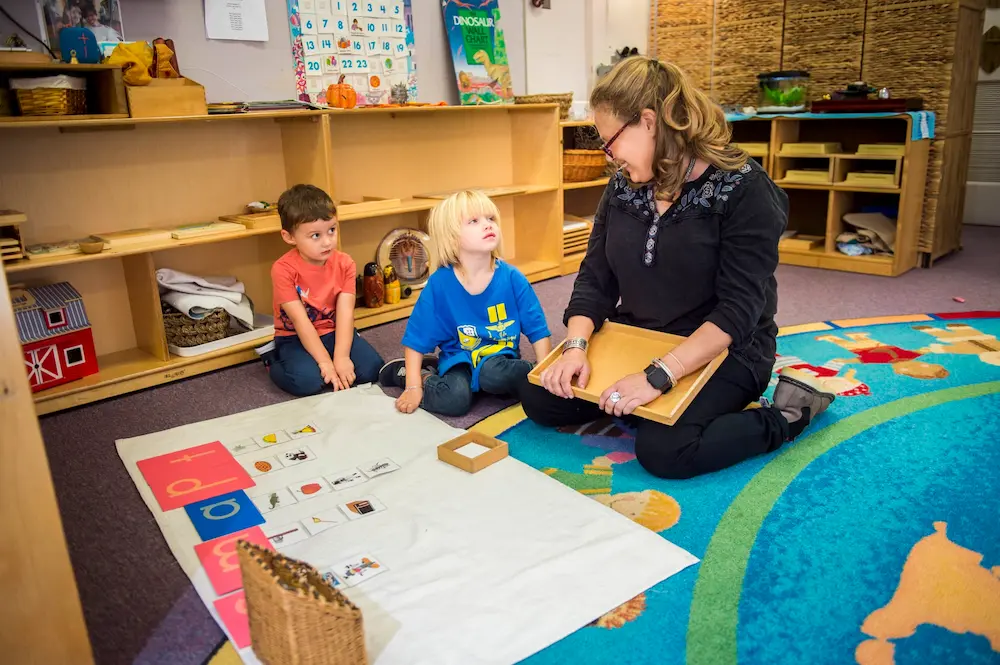
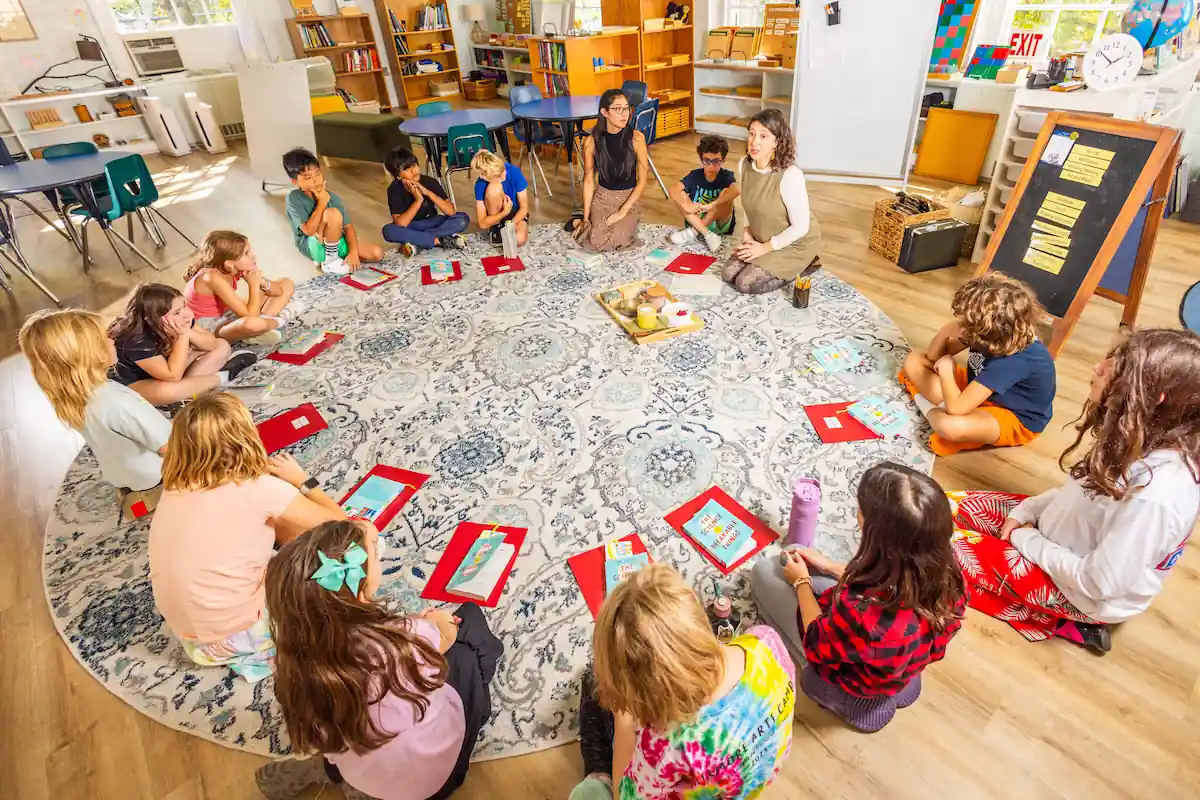
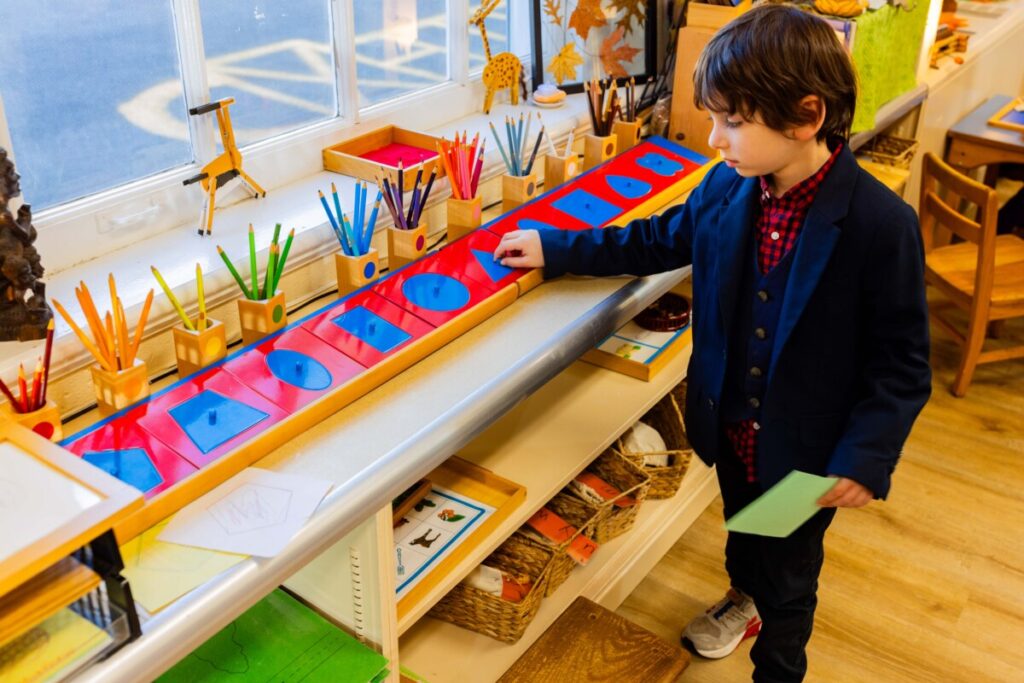
At Oneness-Family School, this research affirms something our families experience firsthand every day: that children given the freedom to choose their work, move through mixed-age communities, and engage deeply with hands-on materials don’t just keep pace with their peers. They often surpass them, in reading, memory, focus, and social awareness alike.
This study reflects one of the largest, most carefully designed investigations of Montessori education to date, and its conclusion is clear. When we trust children to lead their own learning within a thoughtfully prepared environment, they rise to meet that trust, and the results show up not only in their growth, but in what it costs to help them grow.
Read the full study: A national randomized controlled trial of the impact of public Montessori preschool at the end of kindergarten (PNAS, 2025)