By Bodil Eriksson, Director of Curriculum & Primary Programs
Our teachers have an exceptional gift for transforming even the most challenging concepts into engaging, meaningful experiences—think of them as “learning magicians” who make education both fun and inspiring.
Here are a few examples:
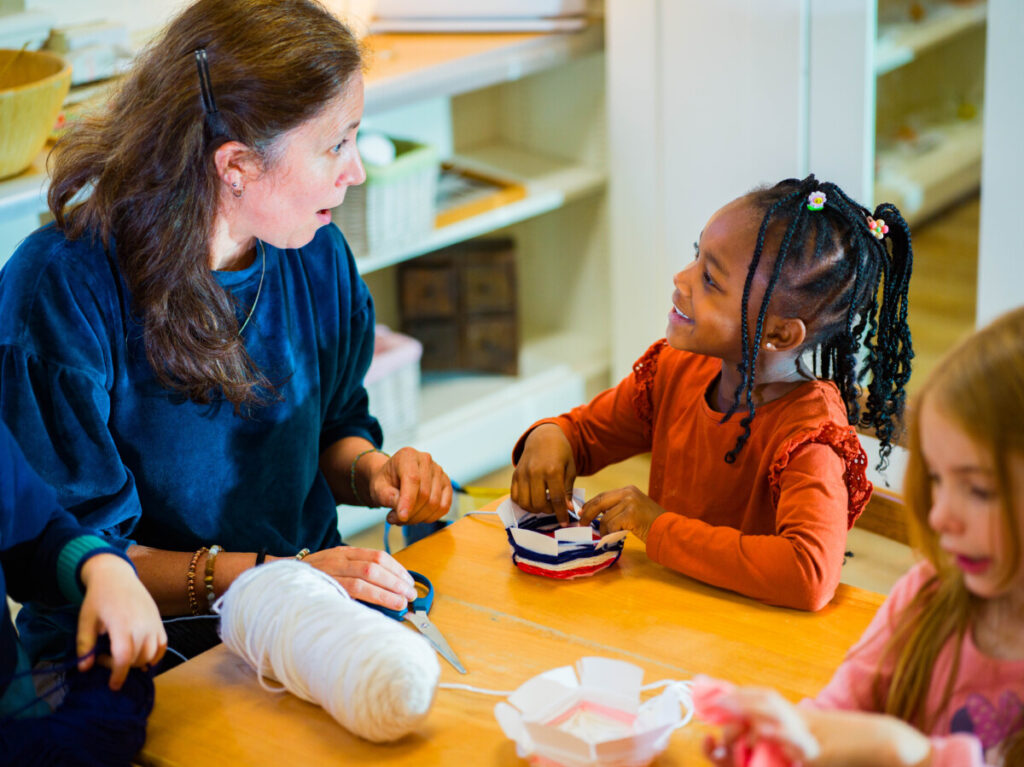
A Toddler Learning Boundaries and Desires
A toddler was offered a snack at school but shook her head firmly, saying “No!” with a serious expression. As the teacher began to walk away with the snack, the child’s eyes widened—she suddenly looked puzzled, as if unsure what had just happened.
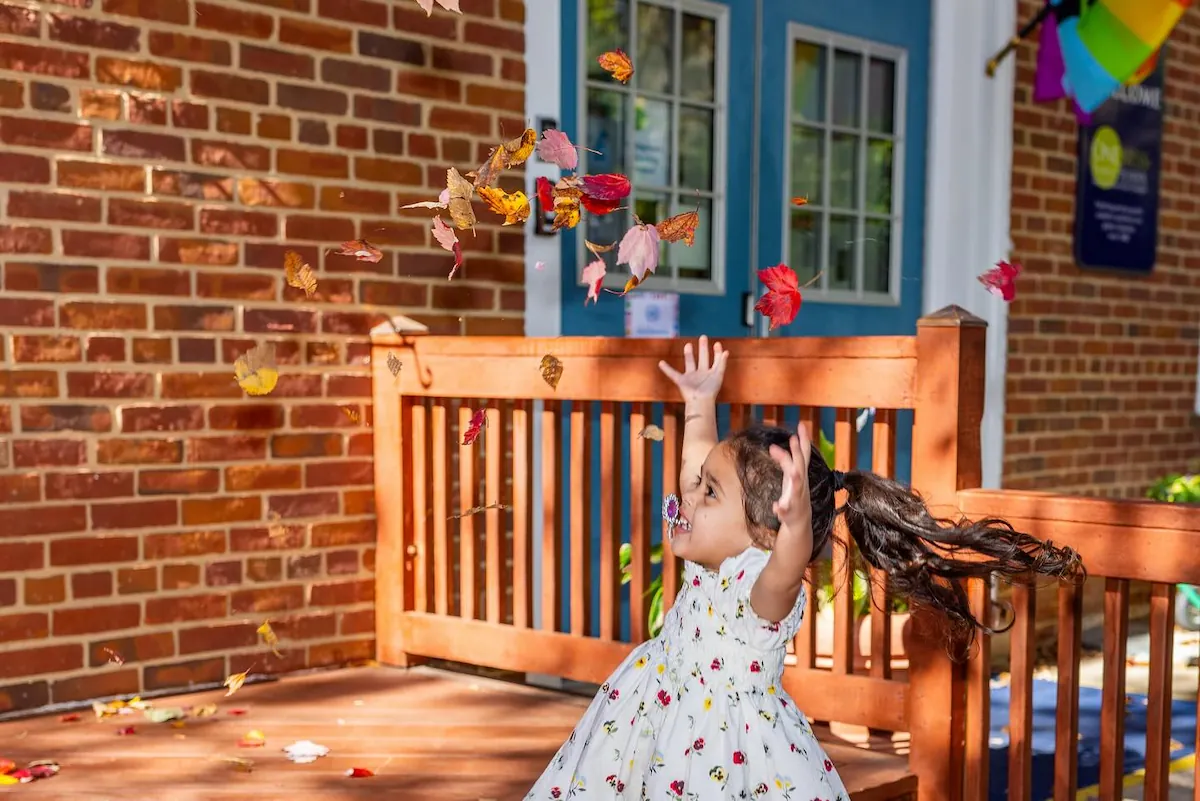
The teacher met her “no” with a big smile and a playful twist. Instead of a tug-of-war, she spun around dramatically and said, “Aha! I see you’re busy being a ‘no-sayer’ today!” Then, with a wink, she offered the snack again. The child giggled. Moments like this remind us that little ones are learning how the world works—one adorable “no” at a time.
Engaging a Ball-Loving Student in Learning
We had a kindergartner who showed no interest in math—he only cared about balls: footballs, basketballs, anything that bounced! One day, his teacher brought out a giant ball covered in numbers. Outside, she bounced it to him, and he called out the number where his thumb landed. Then she said, “Let’s do addition or subtraction,” and he bounced the ball the number of times equal to the answer.
Suddenly, math became a game. He was counting, bouncing, and laughing—all while learning.
Settling the Class and Engaging Restless Children
During morning routines, the teacher noticed a few students fidgeting. Instead of reprimanding them, he gently invited, “Would you like to sit somewhere else where you might feel more comfortable?”
When the student hesitated, he helped them find a new spot, saying, “Come with me; I think you’ll find it easier to sit quietly here.” This caring approach helped the s feel supported and ready to focus.
Managing Large Group Activities
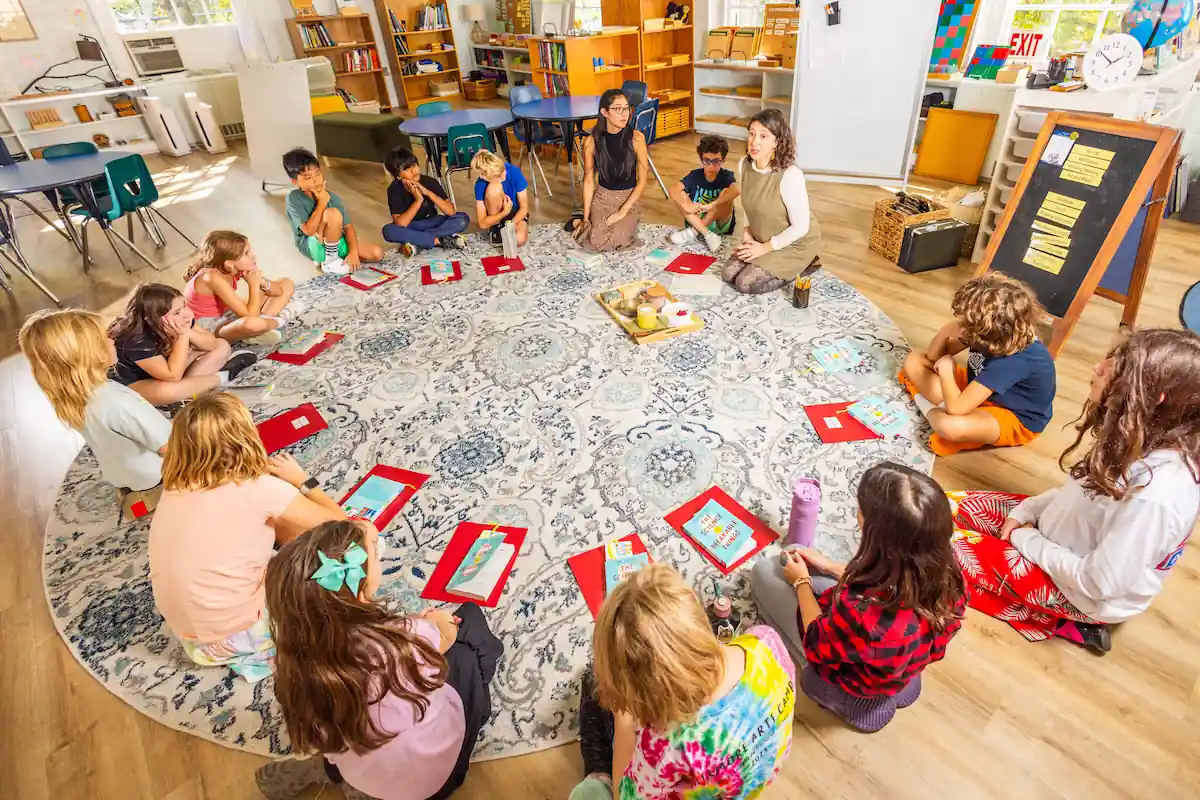
During a lively project, the teacher noticed the group losing focus. She softly said, “I see some students getting distracted. Let’s remember how we listen and respect each other.” Then, in a playful tone, she added, “Let’s pretend we’re all detectives—what clues are we finding today?” Her imaginative redirection brought everyone back together.
Handling Disruptions with Discretion
When a student spoke out of turn, the teacher gently caught their eye and whispered, “Can you help me by listening quietly for a little while?” By handling it privately, she preserved the student’s dignity. Later, she thanked the class for their excellent listening, reinforcing positive behavior.
Reconnecting Students with Books
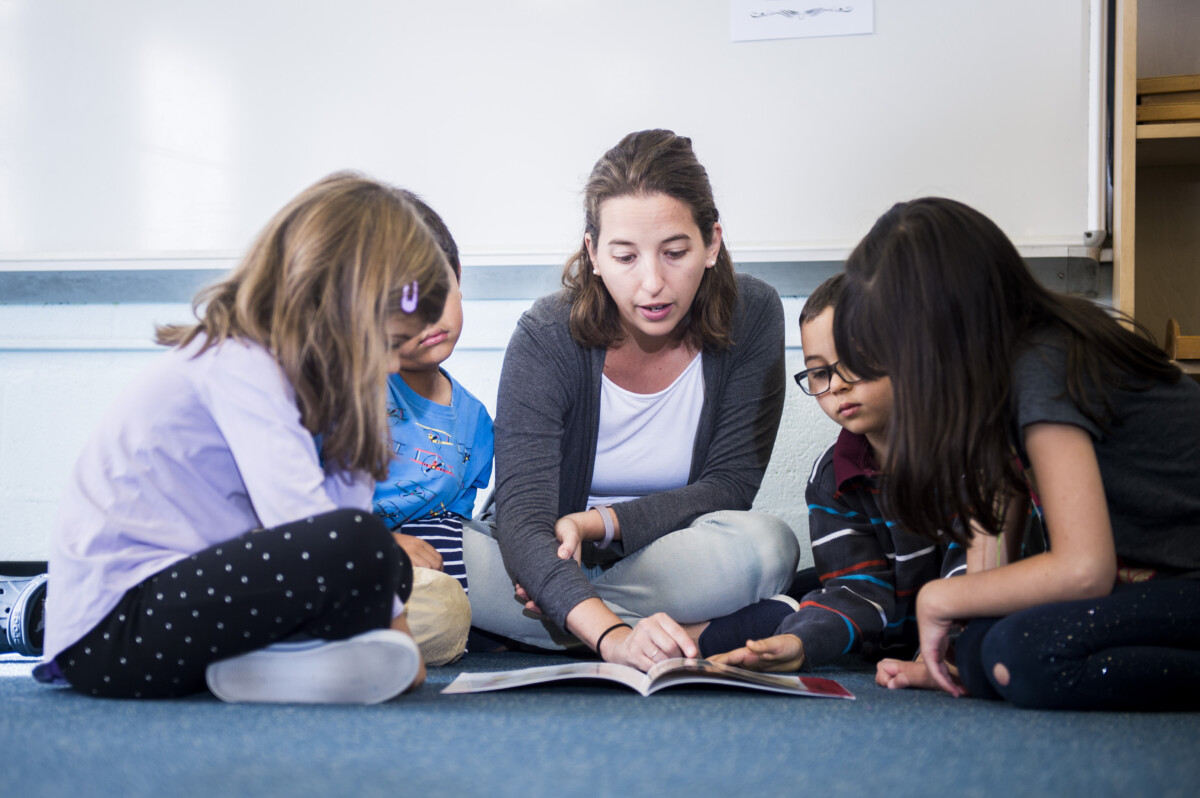
After the pandemic, many students preferred screens over books. Teachers realized this made them miss out on patience, deeper thinking, and the joy of reading. So, they created quick “treasure hunt” questions that could only be answered by looking through books. Soon, students were eager to flip pages instead of typing into Britannica. Some even wrote their own reports on birds, weather, and U.S. states—discovering that books still spark wonderful adventures in learning.