By High School Director of Education Andrew Faulstich
What does it actually mean to learn something?
This question has occupied educators, philosophers, and scientists for centuries, and the answers coming out of modern neuroscience are deeply aligned with what Maria Montessori observed over a hundred years ago. USC neuroscientist Mary Helen Immordino-Yang has shown through decades of research that emotion, cognition, and social experience are not separate systems in the brain: they are one. As she and Antonio Damasio famously put it, we feel, therefore we learn. (Read the research here.)
Montessori understood this intuitively. Her curriculum wasn’t designed as a set of subjects to cover, it was designed as an integrated experience of becoming. At OFS, this is the heart of the Oneness Curriculum Wheel, which consists of Academy, Self-Discovery, and Manifestation. These are not three separate programs running alongside one another. Rather, they are three dimensions of a single, living whole. When they are woven together, human development happens and each student is empowered to become who they are meant to be.
This integration looks different at each stage of life, and that’s by design!
Early Childhood (Age 2-6)
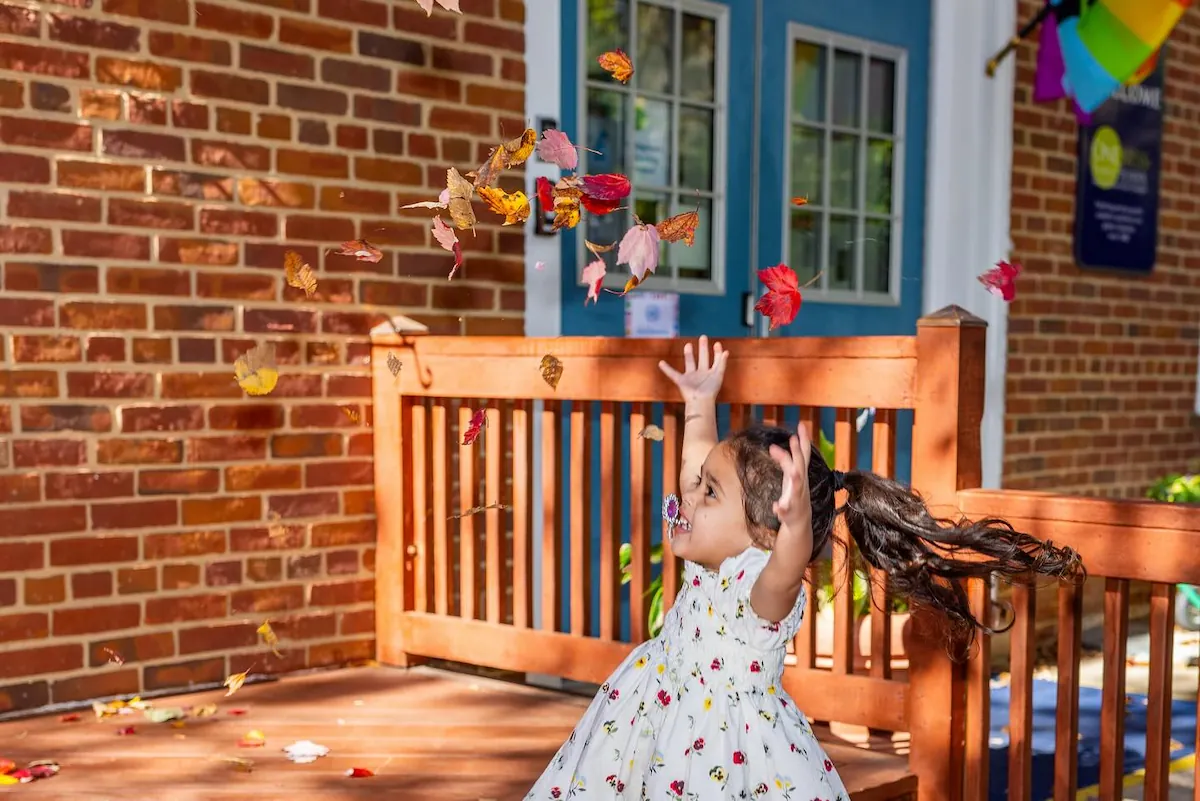
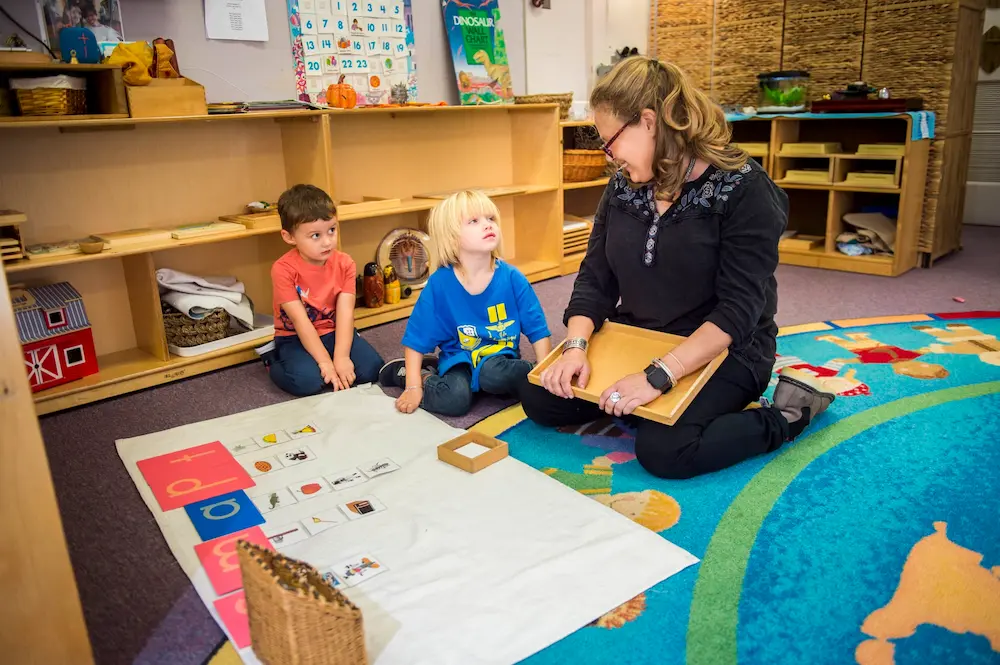
For our youngest children, their developmental task is functional independence: learning to care for themselves, their materials, and their community. Everything is concrete and embodied. A child who learns to pour water, tie their shoes, or prepare a snack isn’t just building motor skills. They are discovering agency, experiencing the satisfaction of real contribution, and forming the emotional foundation of all future learning.
Lower and Upper Elementary (Grades 1-5)
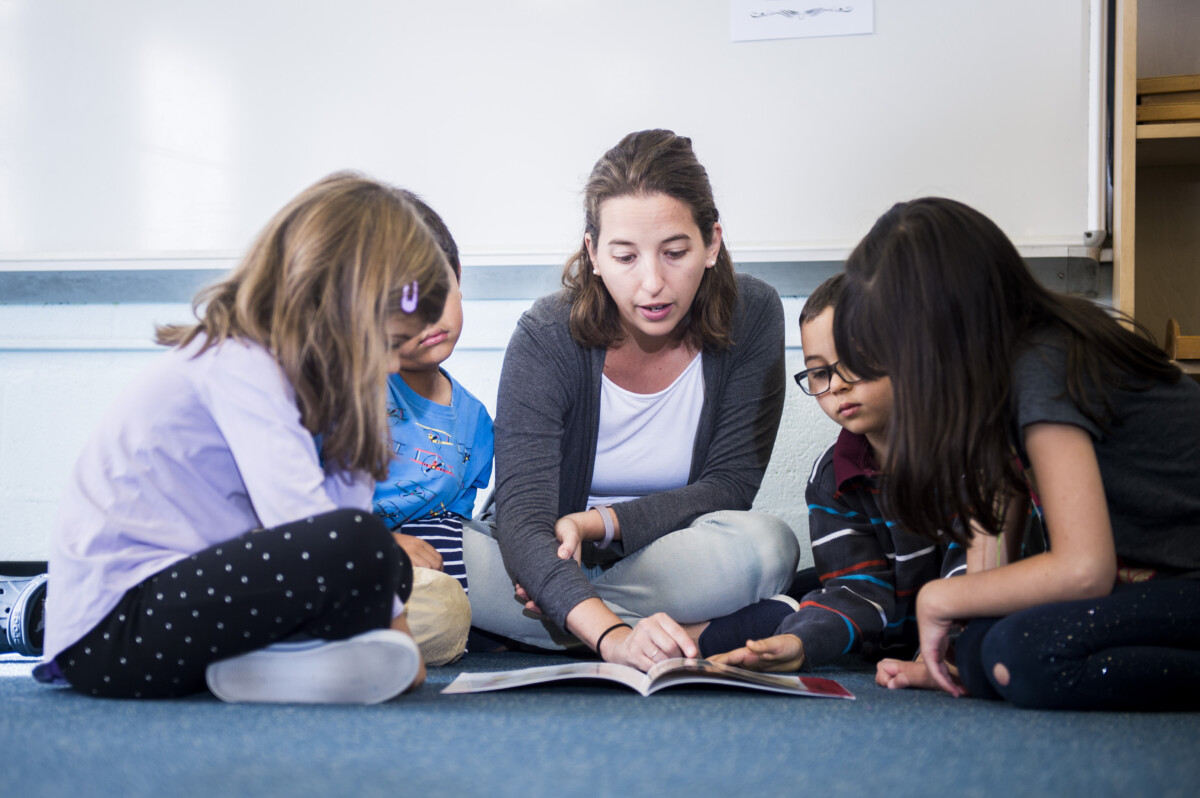
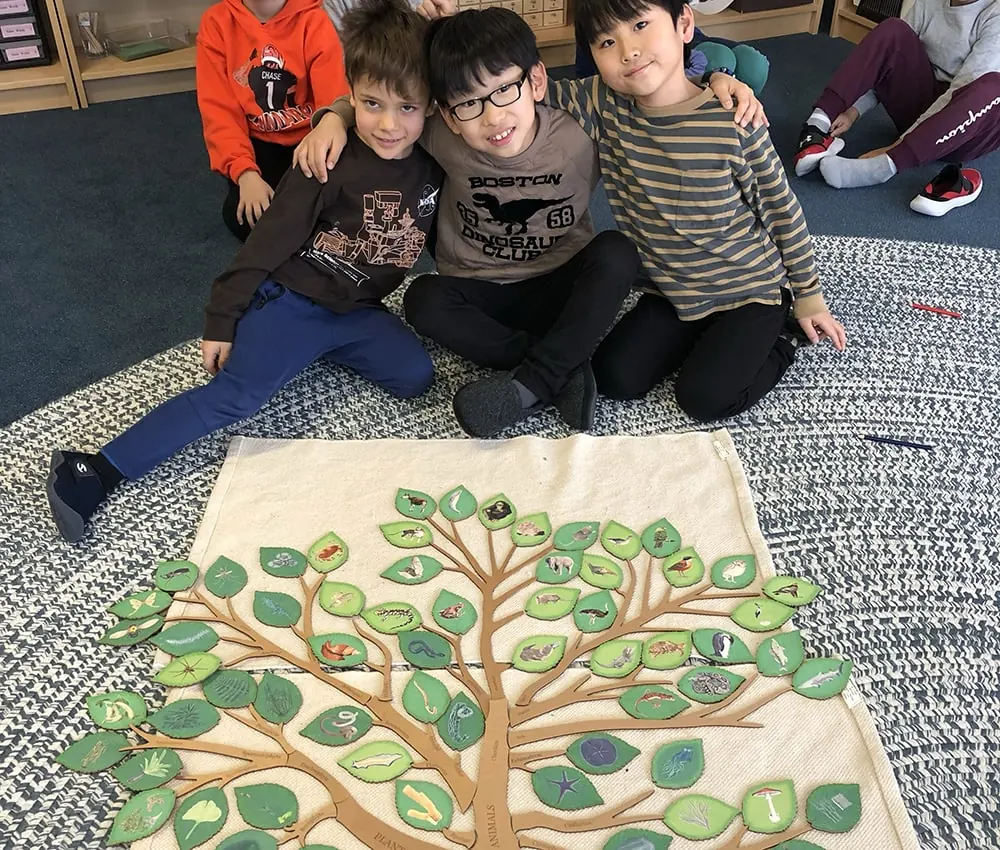
Elementary-aged children are hungry to understand the world: its history, its systems, its moral dimensions. Having achieved functional independence, their developmental task is mental and moral independence. Here, the three pillars of the Wheel come alive through collaborative “big work:” creating timelines of life, researching communities, building models, and writing plays. Children in this stage integrate knowledge with imagination and purpose, moving from the concrete toward the abstract through projects that feel genuinely meaningful to them and their community.
Middle & High School (Grades 6-12)
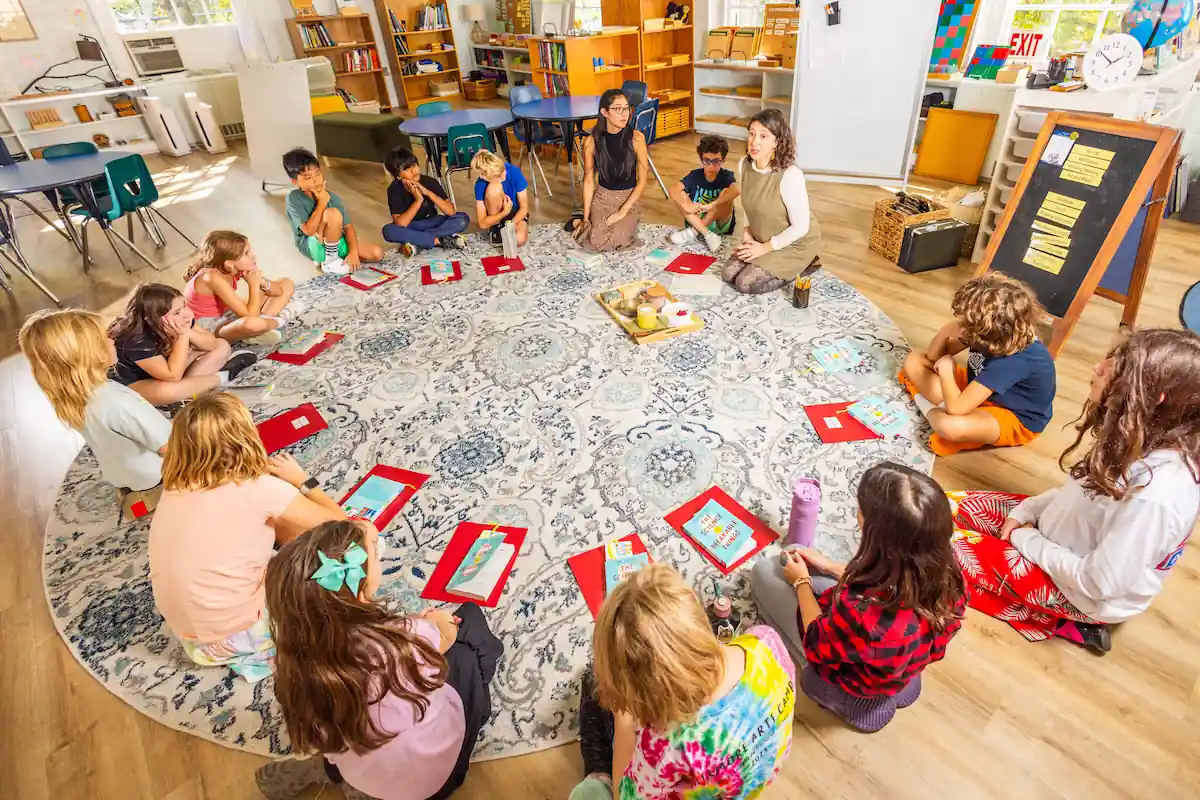
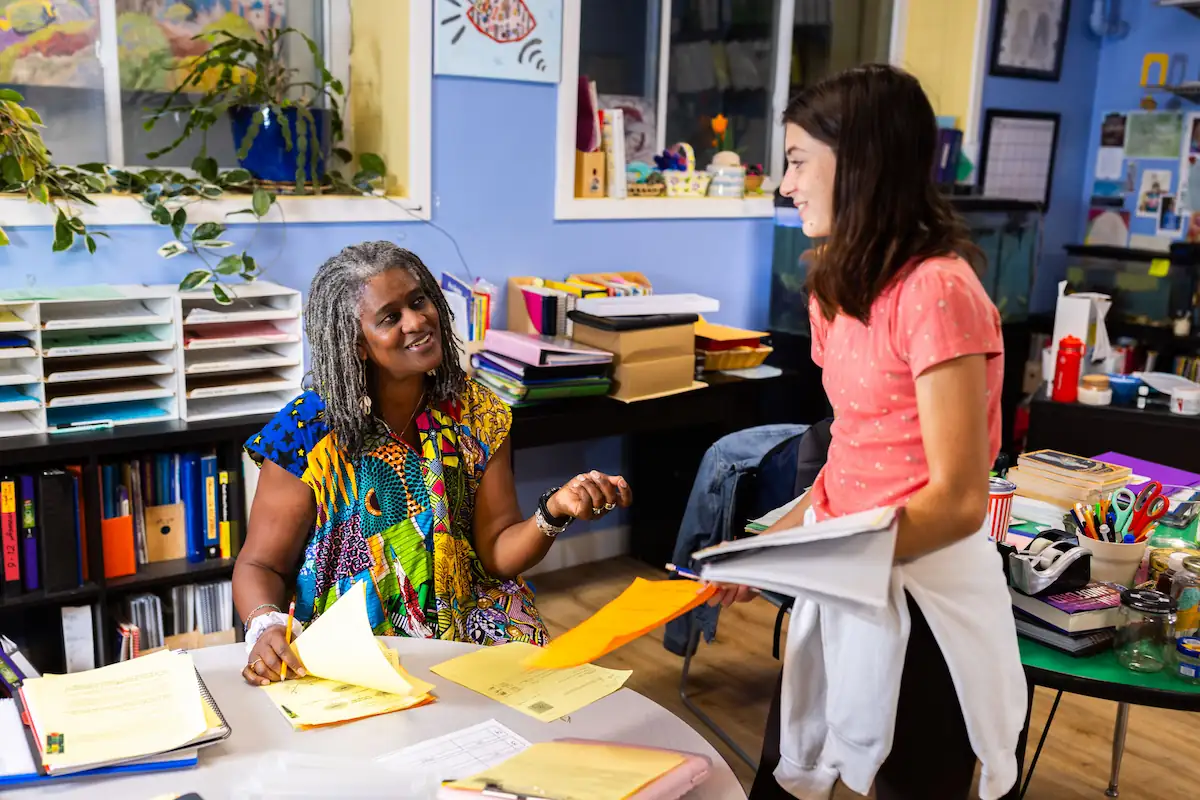
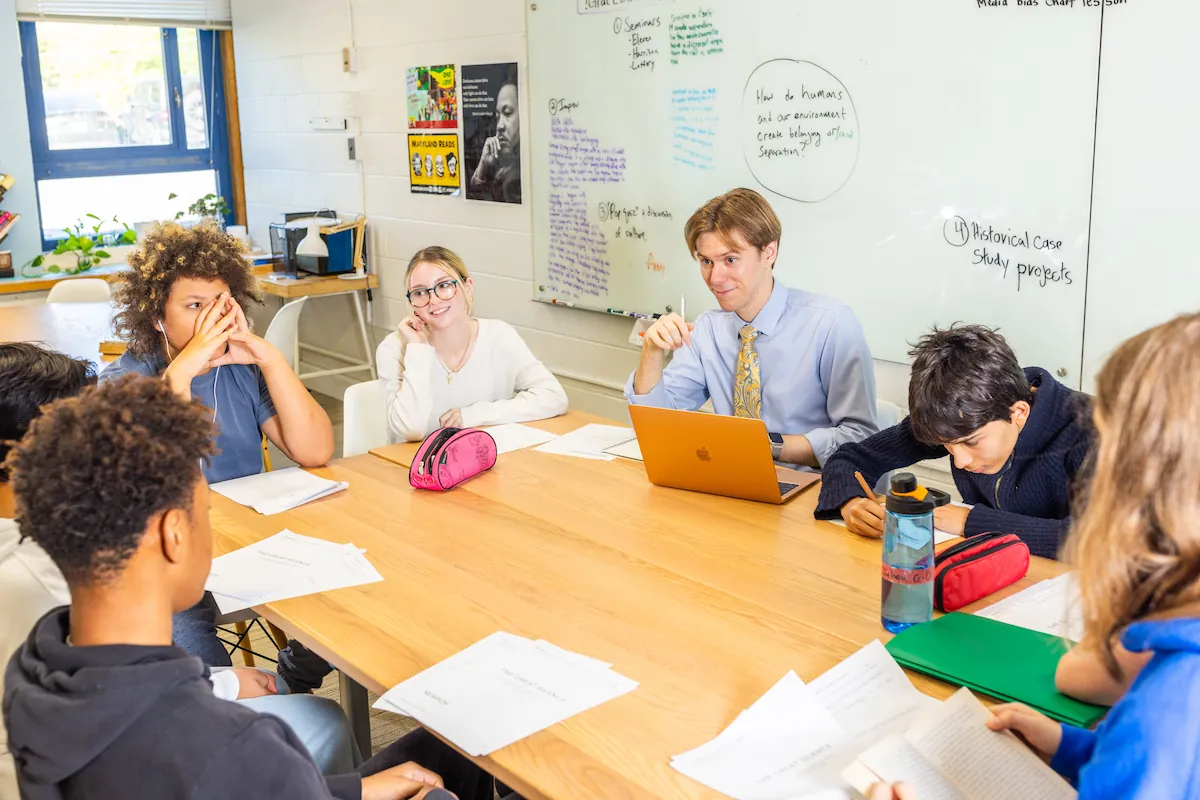
Adolescents undergo what Montessori called a “social and physical rebirth.” They need to experience themselves as capable contributors to the adult world: not in simulation, but in reality. This means internships with real organizations, Production and Exchange projects with real stakes, and seminars grappling with real ideas that matter. A student studying the history of labor movements while organizing a community service initiative and reflecting on their own emerging values is simultaneously working through all aspects of the curriculum wheel as they develop their own identities in the context of the world around them.
The goal of this integrated, embodied education is not simply to produce well-rounded students. It is, as Montessori envisioned, to support the development of what she called the “new human:” people with the inner resources, moral depth, and social awareness to transform the world toward greater equity and interdependence. That is a revolutionary idea. And it is what we are living, every day, at OFS.