By Andrew Faulstich, Oneness-Family High School Director of Education
What are the fundamental traits of human beings?
This was the question that Dr. Maria Montessori sought to answer throughout her work. She spent hours observing children around the world and across the lifespan to derive a way to support the positive development of young people at all ages of their lives.
In her observations, Montessori found that adaptation is a fundamental trait of humans. She wrote that adaptation is “the ground we stand on” as human beings. This has allowed humans to create cultures and societies in infinite different forms across the globe.
This adaptation must be fostered at every stage of life, so that each individual has the inner capacity to adapt to whichever circumstances come their way. This, to me, is one of the truly remarkable aspects of the Montessori Method: we are not preparing our children or adolescents for one particular thing, but rather we are preparing them to adapt to the unknown.
So what does that look like across the planes of development?
Primary Programs: Little Stars & Children’s Peace Garden
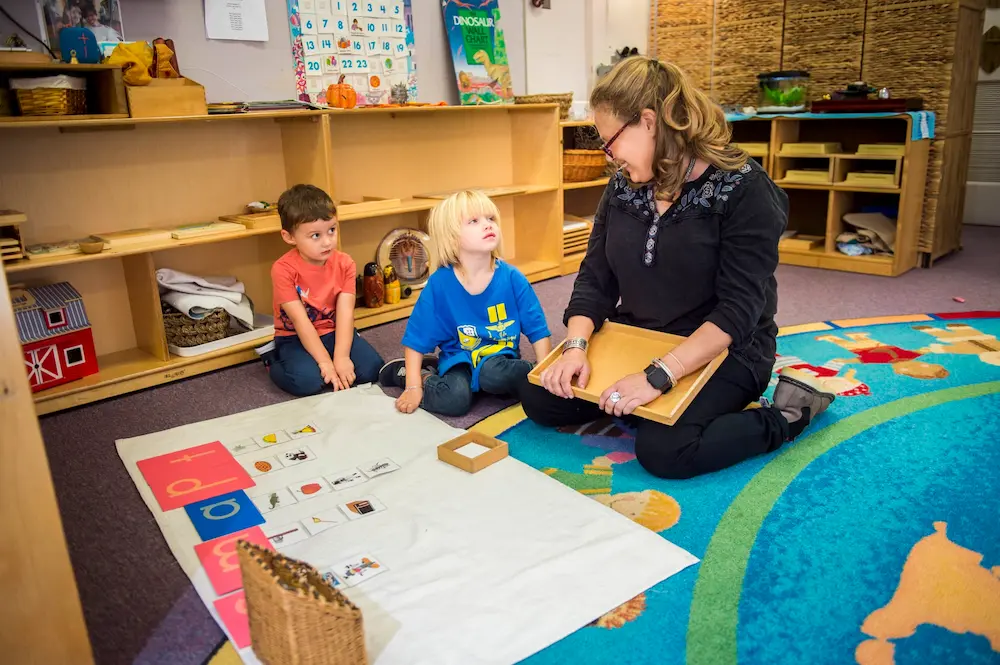
In the Primary Program classrooms, there is only one of every material. This design is intentional. Children in this stage of development typically want to work independently. However, Montessori also observed that they needed experiences that connected them to their community. Since there is only a single version of each material, young children learn to develop the adaptability to meet their needs, and the needs of their peers, around the availability of materials. They also learn the language required to communicate their needs through grace and courtesy lessons. Young children learn that they can meet their needs in the context of a community, and that these are not mutually exclusive goals.
Elementary School: Arbor & Academy
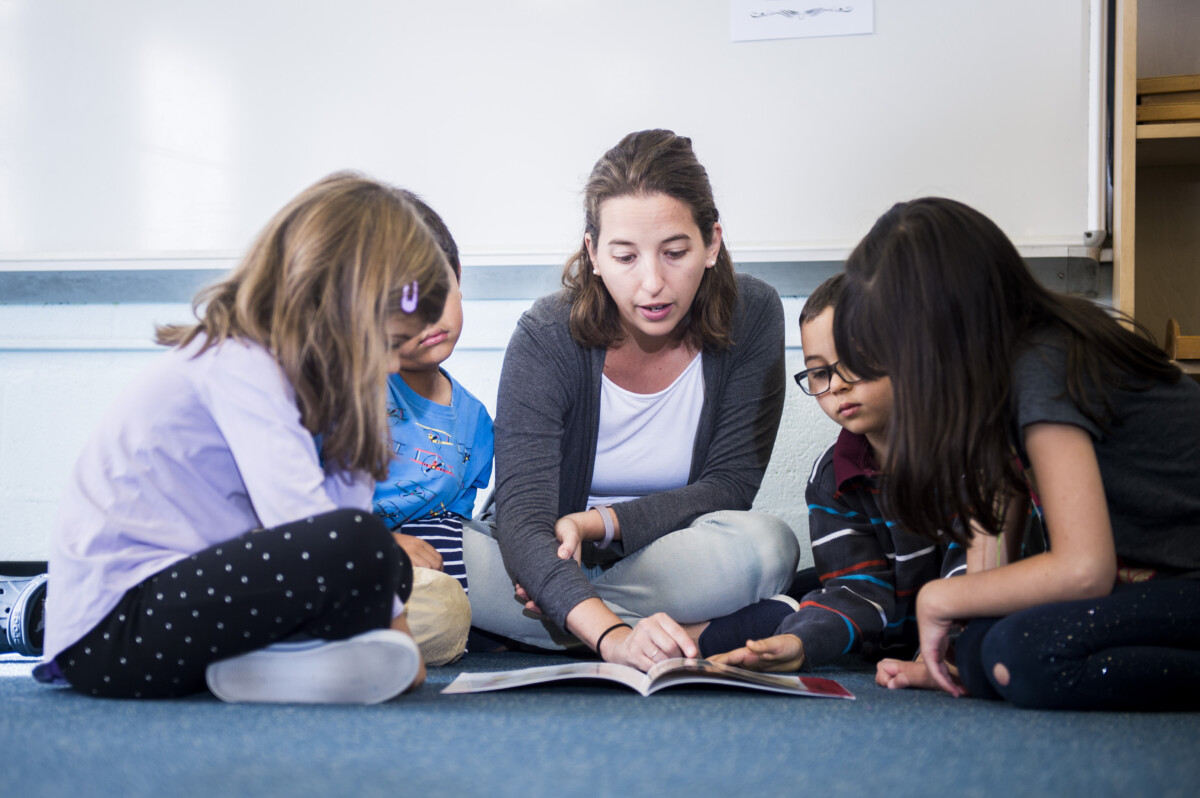
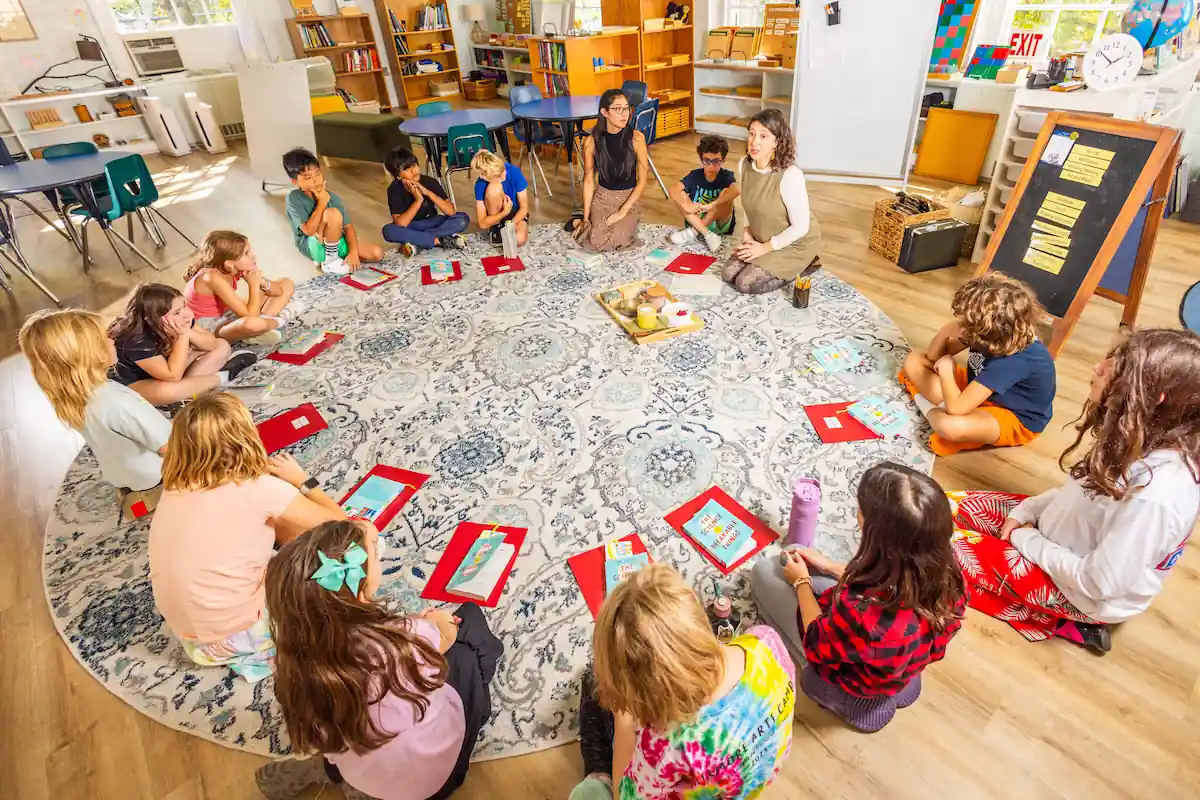
In the elementary classrooms, student experience of adaptability expands to the world outside the classroom. Elementary children have a strong desire to work in groups and complete “big work,” literally and figuratively. In their quest for collaborative big work, they must develop new skills of adaptability in order to collaborate with others, share their vision, and bring their projects to fruition.
Secondary School: Ambassadors & High School
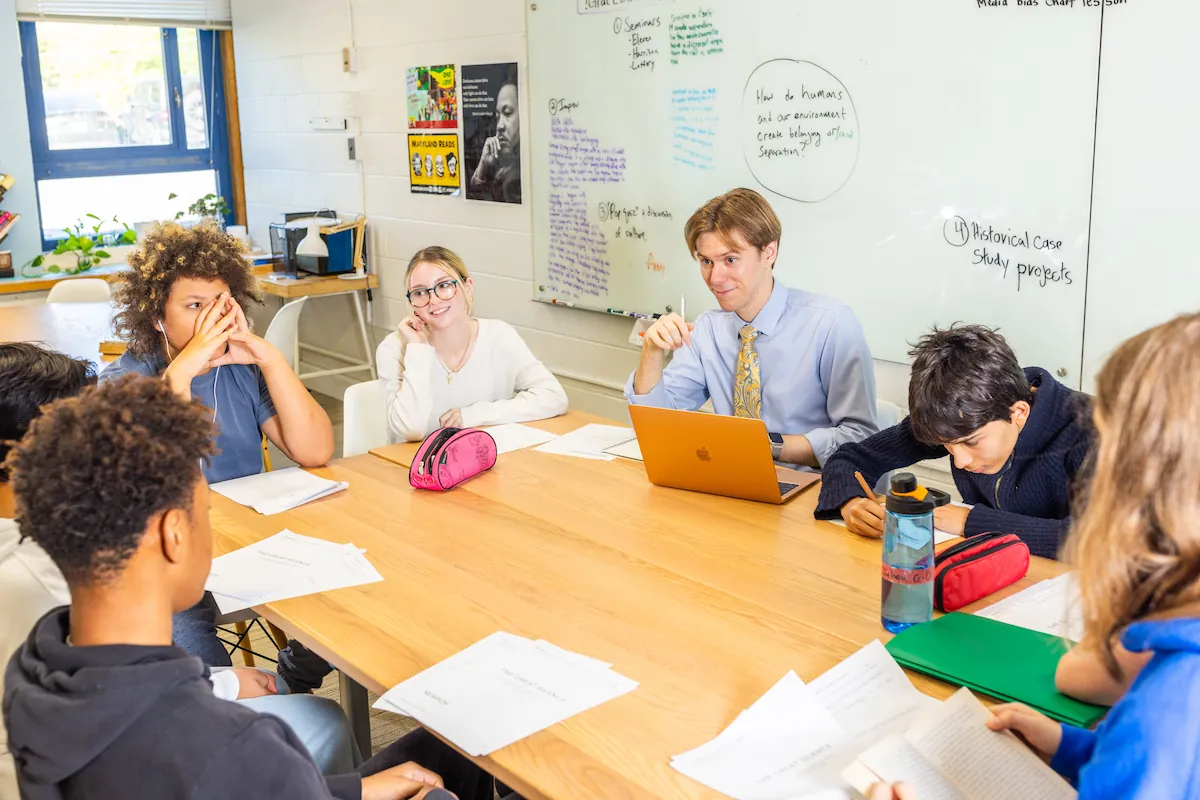
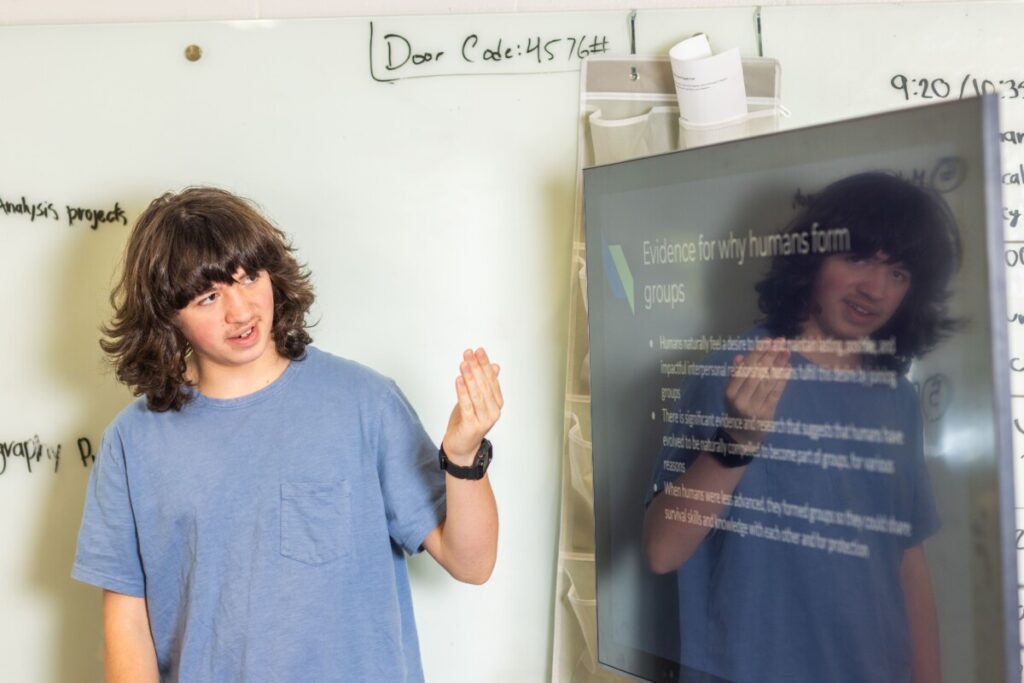
When children become adolescents, they go through what Montessori called a “social and physical rebirth” and seek to find their place in adult society. At this level, students seek adult-like leadership roles in the school and broader community, in order to “try on” the roles they might have as an adult. Adolescents take on internships and job shadowing opportunities as a way to learn about the world through an adult lens, developing the adaptability that comes from engaging in the social world of adults.
When we hear about education in the media, it’s common to hear the idea that we don’t know what the world will be like when our children reach adulthood. Despite developing her method over 100 years ago, Maria Montessori believed the same thing. Her goal was to create prepared environments that would empower young people to thrive no matter the time, place, or context they grew up in.
Rather than preparing our children to live in the world exactly as it is now, we are preparing our children to adapt to any world they find themselves in.